

Why a Plastic Prototype Maker Is Your Product’s First True Ally
In the fast-paced world of product development, turning an idea into a tangible object is both thrilling and risky. Before committing to expensive mass production, smart engineers and entrepreneurs turn to a plastic prototype maker. These specialists bridge the gap between digital designs and physical reality, saving time, money, and headaches. This article explores why their role is indispensable, how the process works, and what to look for in a trusted partner.
The Critical Role of a Plastic Prototype Maker
A plastic prototype maker is more than just a technician with a 3D printer. They are problem-solvers who understand material behavior, tolerance limits, and manufacturability. Their job is to transform CAD files into physical models that look, feel, and function like the final product. Whether it’s a snap-fit enclosure for a medical device or a gear train for a consumer robot, the prototype maker ensures every curve and clip works before production begins.
Without this step, companies risk costly mold modifications or product recalls. A single flaw in design—invisible on screen—can become obvious in your hand. That’s why experienced product teams involve a plastic prototype maker early and often.
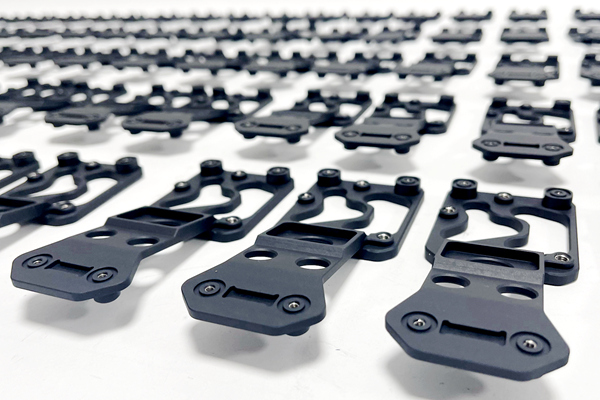
Technologies Behind Modern Plastic Prototyping
Today’s prototype maker has an arsenal of tools. The most common include:
· SLA (Stereolithography): Ideal for smooth surfaces and fine details, often used for visual models.
· SLS (Selective Laser Sintering): Produces durable, functional parts without support structures.
· CNC Machining: Best for engineering-grade plastics like ABS, POM, or PEEK, offering high accuracy.
· Injection Molding Simulation: Some advanced makers use soft tooling to produce dozens of “prototype-grade” parts for market testing.
Each method has trade-offs in cost, lead time, and material properties. A skilled plastic prototype maker helps you choose the right one based on your project stage—early concept, functional test, or pilot run.
From CAD to Physical Part: The Step-by-Step Process
· Design Review– The maker checks your 3D file for issues like wall thickness, draft angles, or unsupported features.
· Material Selection– Based on strength, flexibility, or temperature resistance, a plastic type is chosen (e.g., ABS-like resin, nylon, or polycarbonate).
· Process Planning– The maker decides whether to print, machine, or cast the part, optimizing for speed and fidelity.
· Fabrication & Post-Processing– Parts are cleaned, cured, sanded, or painted to match final specifications.
· Inspection & Delivery– Dimensional checks ensure the prototype matches the CAD data within tight tolerances.
A professional plastic prototype maker documents each step, so you can iterate intelligently.
Why Outsourcing Beats In-House Prototyping for Most Startups
Many founders assume buying a desktop 3D printer is cheaper. But a dedicated plastic prototype maker offers expertise you can’t plug in: material knowledge, post-processing skills, and access to industrial-grade machines. They also provide unbiased feedback—pointing out design flaws before you waste weeks on a dead end. For low volumes (1–50 parts), outsourcing is faster and more cost-effective than building an in-house shop.
Case Study: How a Prototype Maker Saved a Medical Startup
Consider a startup developing a handheld diagnostic tool. Their initial snap-fit design looked perfect in SolidWorks, but the first prototype from a plastic prototype maker failed to close securely. The maker identified a subtle tolerance conflict and suggested adding a living hinge. After three quick iterations, the part passed 5,000-cycle testing. The startup avoided a $40,000 mold mistake and launched on schedule. This is the hidden value of working with an expert.
Choosing the Right Plastic Prototype Maker – 5 Questions to Ask
Not all shops are equal. Before hiring, ask:
· Which plastic prototyping technologies do you specialize in? (Some focus only on printing; others offer CNC and casting.)
· Can you provide material certification or mechanical test data? (Critical for medical or automotive parts.)
· What is your typical lead time for a single complex part?
· Do you offer finishing services like painting, texturing, or assembly?
· May I speak with a past client in my industry?
A transparent maker will welcome these questions.
The Future of Plastic Prototyping
With AI-driven design optimization and faster multi-material printers, the role of the plastic prototype maker is evolving. Soon, they may generate several design variations automatically based on stress simulations. However, the human element—understanding how a part feels in the hand, how it fits into an assembly, how it fails in real use—will remain irreplaceable.
Conclusion
A plastic prototype maker does not just build models; they build confidence. By turning your digital vision into a physical, testable reality, they de-risk innovation. Whether you are a solo inventor or a Fortune 500 engineer, investing in professional plastic prototyping is the smartest step before mass production. Choose your maker wisely, and your product will thank you on launch day.




