

Custom Prototype Solutions: Engineered for Precision, Built for Scale
In the competitive landscape of modern manufacturing, the journey from a digital CAD model to a market-ready product is fraught with technical challenges. For engineering teams, the prototyping phase is not merely a formality; it is the critical crucible where design theories are tested against physical reality. This is where the value of true custom prototype solutions becomes undeniable. Unlike generic manufacturing services, bespoke prototyping is built by engineers, for engineers, ensuring that every part produced is a functional reflection of your design intent.
Built by Engineers, For Engineering
The fundamental difference in high-end prototyping lies in the expertise driving the process. When custom prototype solutions are developed by seasoned manufacturing engineers, the conversation shifts from simple "part production" to collaborative problem-solving. Engineers understand that a prototype is not just a visual model; it must withstand functional testing, environmental stresses, and assembly validations.
This engineering-first approach means that when you submit a design, it undergoes rigorous Design for Manufacturability (DFM) analysis before a single machine is programmed. Potential issues like internal corner radii, wall thickness inconsistencies, or inaccessible mounting points are identified and resolved early. This proactive collaboration prevents costly iterations and ensures that the prototype serves its true purpose: validating the engineering.
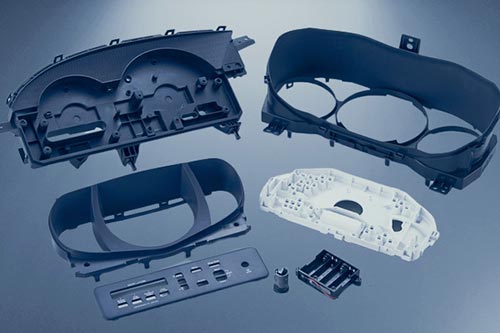
From Concept Parts to Production: A Seamless Transition
A common pitfall in product development is the disconnect between prototyping and mass production. A prototype that requires manual filing, custom shimming, or unscalable assembly processes is ultimately a failure. Premium custom prototype solutions are designed with the end goal of mass production in mind.
Whether utilizing CNC machining for high-strength metal components, vacuum casting for elastomeric seals, or rapid tooling for injection molding, the processes are selected to mirror final manufacturing conditions. This "bridge manufacturing" approach ensures that the tolerances, material properties, and surface finishes achieved during the prototype phase can be reliably replicated on the factory floor. It transforms the prototype from an isolated art piece into a scalable blueprint for production.
Material Fidelity and Tolerance Precision
Testing a concept with the wrong material is a recipe for disaster. Custom prototype solutions offer access to a vast library of engineering-grade materials that match final production specifications exactly. Whether you require aerospace-grade Aluminum 7075-T6, biocompatible PEEK, or flame-retardant ULTEM, the materials used in prototyping are identical to those destined for the final product.
Equally critical is the adherence to strict tolerance standards. Advanced multi-axis CNC machining and precision grinding capabilities allow manufacturers to hold tolerances as tight as ±0.01mm. This level of precision is non-negotiable for components that require press fits, dynamic sealing, or integration into complex electromechanical assemblies. By maintaining tight tolerances during the prototype phase, engineers can confidently validate assembly processes and mechanical performance without introducing variables caused by poor manufacturing quality.
Efficiency Through Smart Manufacturing
Speed is the ultimate currency in product development, but speed should never compromise quality. Modern custom prototype solutions leverage advanced manufacturing technologies to maximize efficiency without cutting corners. Automated CAM programming, high-speed machining centers, and streamlined quality control processes drastically reduce lead times.
Furthermore, true efficiency is achieved through iterative agility. Because custom prototyping bypasses the need for expensive, time-consuming hard tooling, engineering teams can test, fail, learn, and iterate in a matter of days. This rapid feedback loop allows for the optimization of part geometry, weight reduction, and cost-saving design modifications long before capital is committed to mass production tooling.
Conclusion
In an era where product lifecycles are shrinking and performance expectations are soaring, relying on off-the-shelf prototyping is a strategic risk. Custom prototype solutions offer a superior pathway, combining engineering expertise, material fidelity, and precision manufacturing to de-risk your product development. By partnering with a team that understands the nuances of manufacturability and tolerances, you ensure that your prototypes do more than just look good—they perform flawlessly, paving the way for a successful and efficient transition to mass production.




