

Accelerate Your Production with Rapid Machined Aluminum Plates
Time-to-market is often just as critical as the product's physical specificationsin the fast-paced world of modern manufacturing. Whether you are developing a prototype for a new aerospace component or scaling up production for consumer electronics, the demand for speed without compromising quality is relentless. This is where rapid machined aluminum plates have become an indispensable solution for engineers and procurement managers alike.
But what exactly makes rapid machining the go-to choice for aluminum components? In this guide, we’ll dive deep into the materials, processes, and strategic advantages of using rapid CNC machining for your next project.
Why Choose Aluminum for Rapid Machining?
Aluminum is the backbone of rapid manufacturing for several compelling reasons. Its unique combination of properties makes it exceptionally well-suited for high-speed Computer Numerical Control (CNC) operations:
Excellent Machinability: Aluminum has a relatively low density and high ductility, allowing it to be cut, drilled, and milled at incredibly high speeds without excessive tool wear.
High Strength-to-Weight Ratio: It provides structural integrity similar to steel but at roughly one-third of the weight, which is vital for automotive and aerospace applications.
Corrosion Resistance: Natural oxidation layers protect aluminum parts, reducing the need for extensive secondary finishing in many environments.
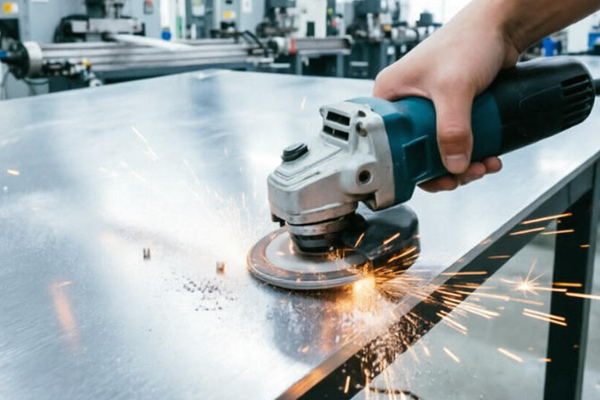
Top Aluminum Alloys for Rapid Prototyping and Production
Not all aluminum is created equal. Selecting the right alloy is crucial for meeting your specific mechanical requirements and tolerance standards. Here are the industry standards you should consider:
Aluminum 6061-T6: This is the most versatile and widely used alloy for general-purpose machining. It offers excellent weldability, good corrosion resistance, and decent strength. It is the "go-to" material for brackets, enclosures, and structural prototypes.
Aluminum 7075-T6: Often compared to steel in terms of strength, 7075 is part of the Al-Zn-Mg-Cu series. It is ideal for high-stress applications like aerospace fittings, gears, and shafts. However, it is slightly less corrosion-resistant than 6061.
Aluminum 5052: Known for its superior corrosion resistance (especially against saltwater), 5052 is perfect for marine environments or electronic chassis that require high formability alongside machining.
The Workflow: From CAD to Finished Part
The beauty of rapid machined aluminum plates lies in the streamlined workflow that bypasses the long lead times of traditional tooling (like injection molding or die casting).
1. Design and DFM Analysis
The process begins with your 3D CAD model (STEP or IGES format). A crucial step here is Design for Manufacturability (DFM). Engineers analyze your design to optimize internal radii, wall thickness, and tool access. Catching potential issues here prevents costly errors during production.
2. CAM Programming and Toolpath Generation
Once the design is approved, Computer-Aided Manufacturing (CAM) software translates the geometry into G-code. This code instructs the CNC machine on exactly how to move—controlling spindle speed, feed rate, and depth of cut—to carve the aluminum plate into your desired shape.
3. High-Speed CNC Machining
Using advanced 3-axis, 4-axis, or 5-axis milling machines, the raw aluminum plate is fixtured and machined. For rapid services, shops utilize high-RPM spindles and optimized carbide tooling to remove material quickly while maintaining tight tolerances (often within±0.01mm).
4. Post-Processing and Surface Finishing
Raw machined aluminum often has visible tool marks. To achieve a professional look or enhance durability, various finishes are applied:
Bead Blasting: Creates a uniform matte texture.
Anodizing (Type II or III): Adds a hard, protective oxide layer that improves corrosion resistance and allows for coloring (e.g., black, red, gold).
Powder Coating: Provides a thick, durable layer of paint for aesthetic and protective purposes.
Applications Across Industries
Rapidly machined aluminum plates are not just for prototypes; they are increasingly used in end-use production runs (bridge manufacturing).
Automotive & EV: Lightweight battery housings, heat sinks, and suspension components.
Aerospace: Drone frames, UAV components, and interior aircraft fittings where weight reduction directly impacts fuel efficiency.
Robotics & Automation: Robotic arms and conveyor system parts require the rigidity and precision that machined aluminum provides.
Medical Devices: Housings for diagnostic equipment and surgical tools that require biocompatible finishes and strict hygiene standards.
Cost vs. Value: Is Rapid Machining Worth It?
When evaluating quotes, it is important to look beyond the sticker price. While rapid machining might have a higher per-unit cost than mass-production die casting for volumes over 10,000 units, it offers unbeatable value for low-to-medium volumes (1–1,000 parts).
There are no expensive molds to create or maintain. If you need to iterate your design, you simply update the CAD file and machine a new batch. This flexibility saves weeks of development time and prevents the financial risk of committing to a flawed mold design.
Conclusion
For engineering teams facing tight deadlines and high-performance requirements, rapid machined aluminum plates offer the perfect balance of speed, precision, and material versatility. By leveraging advanced CNC technology and selecting the correct aluminum alloy, you can accelerate your product development cycle and bring superior products to market faster than ever before.
Whether you need a single functional prototype or a short run of end-use parts, understanding the capabilities of rapid aluminum machining is key to staying competitive in today's manufacturing landscape.




